
Attractions in Shenandoah County for History and Leisure
Shenandoah County has caves, museums, farms, river activities, historic structures, seasonal events, and small entertainment places spread across towns and countryside. Attractions in Shenandoah County show both the natural character of the valley and the everyday culture of local communities. Visitors can find underground formations, old industrial buildings, agricultural collections, sports, music, and family activities within a compact rural area.
Attractions in Shenandoah County for Families and Recreation
American Celebration on Parade at Shenandoah Caverns presents parade floats, props, and stage settings connected with major public celebrations. More than 30 floats from events such as presidential inaugurals, the Rose Parade, and Thanksgiving Day parades were displayed there.
Main Street of Yesteryear uses another kind of display. It recreates the feeling of old department store holiday windows through more than 100 animated figures. Many figures came from original displays used about half a century earlier. The setting focuses on visual nostalgia rather than modern interactive technology, making it different from many family attractions.
Maize Quest at Bridgemont Farm turns cornfields into a seasonal puzzle. Visitors follow maze routes, search for clues, and use special decoders during the activity. Other farm entertainment included a soybean maze, pedal go karts, a rope maze, hayrides, and a large barn slide.
Traditional Indoor Entertainment
Shenandoah Bowling Lanes in Mount Jackson keeps an older style of duckpin bowling. The six–lane alley has wooden bench seating and balls that return on wooden tracks. Scoring is done by pencil rather than computers. The place was described as Virginia’s oldest bowling alley, and its simple equipment helps preserve the atmosphere of earlier local recreation.
Woodstock Community Theatre also keeps a small–town character. The three–screen cinema stands on Main Street and uses a lighted marquee. Its modest scale creates a different experience from large multiplex theaters and connects film entertainment with the traditional commercial center of Woodstock.
Caves, Rivers, and Outdoor Activities
Shenandoah Caverns offers an underground tour along a one–mile circuit. The temperature remains about 56 degrees through the year. The cavern system includes elevator service, level walkways, and no stairs along the tour route, making movement inside more direct than in many caves.
The North Fork of the Shenandoah River provides another kind of outdoor recreation. Route 11 Outfitters offered guided and self–guided kayak trips, tube floats, river shuttles, and equipment for adults and children over six years old. Guests could also kayak to the property, camp overnight, and continue the river trip later.
Outdoor and family activities represented:
- underground tours at Shenandoah Caverns
- corn and soybean mazes at Bridgemont Farm
- kayaking and tubing on the North Fork
- duckpin bowling in Mount Jackson
- parade float displays at Shenandoah Caverns
- seasonal concerts at Orkney Springs
- farm heritage exhibits and animal displays
- paintball and laser tag near Strasburg
- summer baseball games around the valley
These activities are quite different from each other, but together they show how the county combines landscape, older buildings, seasonal traditions, and simple forms of recreation.
Historic Attractions and Agricultural Heritage
Meem’s Bottom Covered Bridge is a 204–foot single–span Burr arch truss over the North Fork of the Shenandoah River. The present bridge was built in 1894 using materials cut and quarried nearby. It carried traffic for more than 80 years before being burned by vandals in 1976. Original timbers were salvaged, and the structure was reconstructed with added steel beams and concrete supports.
The Shenandoah County Historic Courthouse in Woodstock was built in 1795 from native limestone. Later changes included a Greek Revival addition in 1871, clerk offices in 1886, and front columns with a portico in 1927. During the Civil War, soldiers from both sides passed through the building and left graffiti on interior walls.
The Edinburg Mill, built in 1848, served as a grist mill until 1978. It later became the Shenandoah Valley Heritage Museum. Displays included transportation and agricultural exhibits, recreated storefronts, and a film about the burning of the valley during the Civil War. The mill itself is important because it was one of the few local mills not burned during Sheridan’s campaign.
Farms and Rural Collections
Smith Creek Heritage Farm presents antique agricultural machinery, farm equipment, and related collectibles dating across centuries. The collection gives a practical look at tools that supported rural work before modern mechanized farming became standard.
The Yellow Barn at Shenandoah Caverns also presents agricultural heritage, but in a broader family format. Displays included restored carriages, farm vehicles, model trains, an indoor beehive, and a small live animal farm. The building mixed historic objects with entertainment and demonstrations of rural life.
Music, Food, Sports, and Community Places
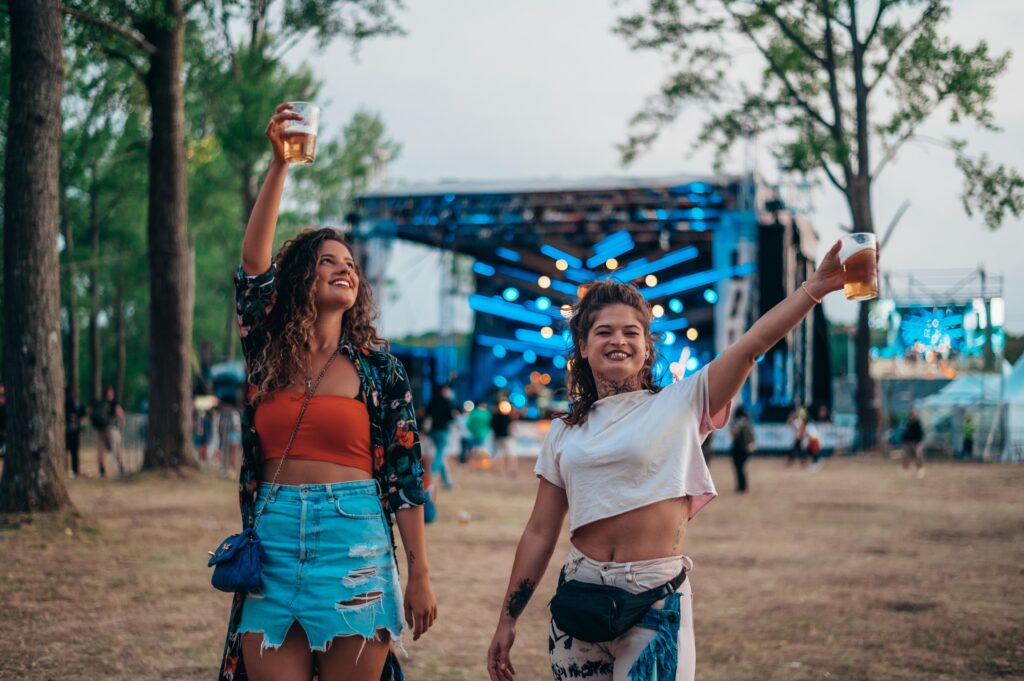
The Shenandoah Valley Music Festival brings outdoor summer concerts to Orkney Springs. Performances take place on the grounds of Shrine Mont Camp and Conference Center, a historic property in the Virginia countryside. The historic hotel was also available for self–guided tours on concert days, connecting music events with the architectural setting.
Route 11 Potato Chips in Mount Jackson offered visitors a chance to watch potato chips being cooked through a viewing area. The facility did not provide walk–through factory tours, so the main visitor experience was watching production from the designated area.
Posey Thisisit Llama Farm in Toms Brook added animal–based interest. The 27–acre farm raised llamas for sale, shows, and pets, while also providing fiber products and classes. Visits required advance arrangements.
Seasonal baseball also formed part of local recreation, with summer teams playing in New Market, Strasburg, and Woodstock. Along with the county fair, community theater, music performances, museums, river trips, and farm attractions, these activities created a varied local leisure picture.
Attractions in Shenandoah County are not concentrated around one single theme. Some explain history, some use the landscape, and others preserve older forms of entertainment or agricultural life. Caves, bridges, mills, theaters, farms, sports grounds, and river access together show a county where recreation and heritage often exist side by side.