Shenandoah Wine and Beer Trail Across the Valley
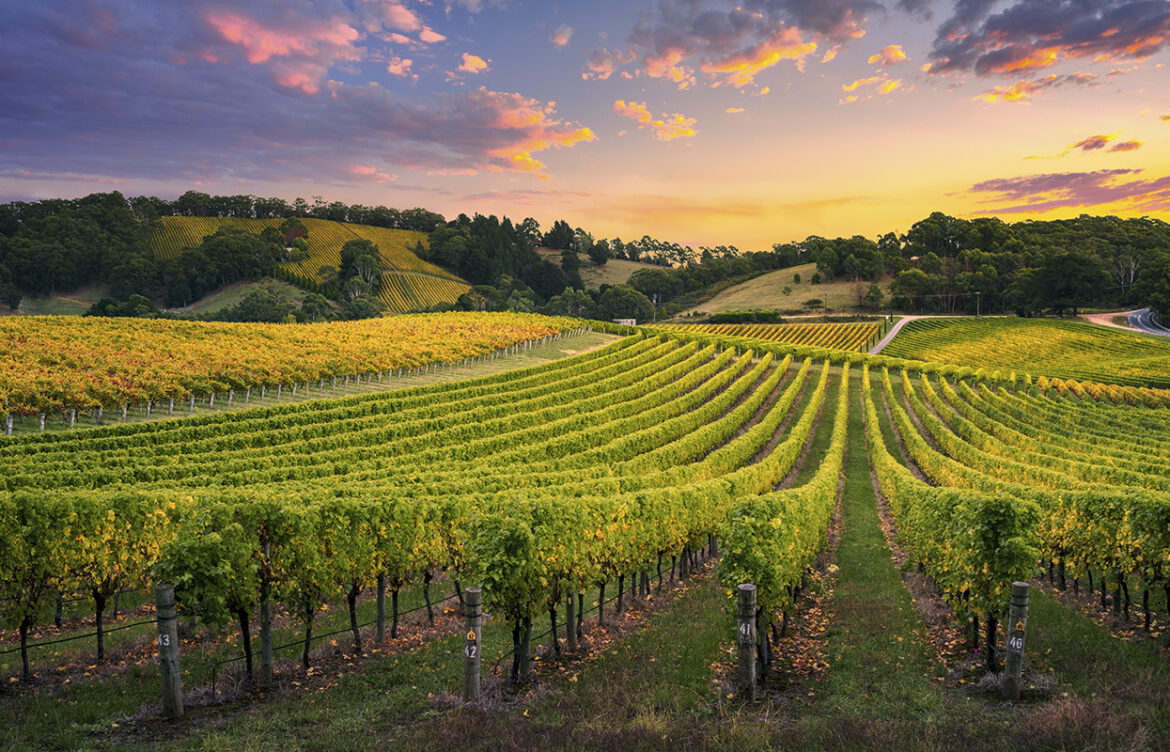
The Shenandoah Valley has vineyards, a farm brewery, and a town brewhouse placed among mountains, fields and small communities. The Shenandoah Wine and Beer Trail connects these places through Shenandoah County and gives a picture of local drink production, rural landscapes, and visitor spaces. Each stop has its own character, from estate vineyards to restored industrial buildings and working farmland.
Shenandoah Wine and Beer Trail and Valley Vineyards
Cave Ridge Vineyard near Mount Jackson sits in the foothills with open views across the valley. The vineyard uses the local climate and rocky soils for grape growing, while its tasting area looks over the surrounding countryside. Wine production and the landscape are closely connected here, so the place feels like a working vineyard and a rural visitor stop at the same time.
Muse Vineyards near Woodstock is located beside the North Fork of the Shenandoah River. It follows an estate model where vineyards, wine making, and tasting are connected within one property. The site is known for broad river and mountain views, and visitors can also find paths around the grounds. Its setting makes the natural landscape part of the wine experience rather than only a background.
North Mountain Vineyard and Winery near Maurertown has a long agricultural setting. Grapes have been grown on the property since 1982, and the vineyard continues to use the estate for wine production. Lawns, decks, picnic areas, and mountain views make the property suitable for longer visits. The winery also keeps a strong connection with local farming and the rural history of the valley.
Older Vineyard Traditions
Shenandoah Vineyards in Edinburg is among the oldest active wineries in Virginia. It was founded in 1976 and developed on land with a longer family farming history. The tasting room and vineyard continue this agricultural use, while the location gives visitors a direct look at wine production in one of the older vineyard properties of the region.
Wolf Gap Vineyard and Winery, also near Edinburg, occupies a large estate with views toward the Great North Mountain. The vineyard produces several kinds of wine and has indoor and outdoor tasting areas. Its position above the surrounding landscape gives it a strong visual identity, especially from the covered outdoor spaces facing the mountains.
Working Wineries Around Mount Jackson and Woodstock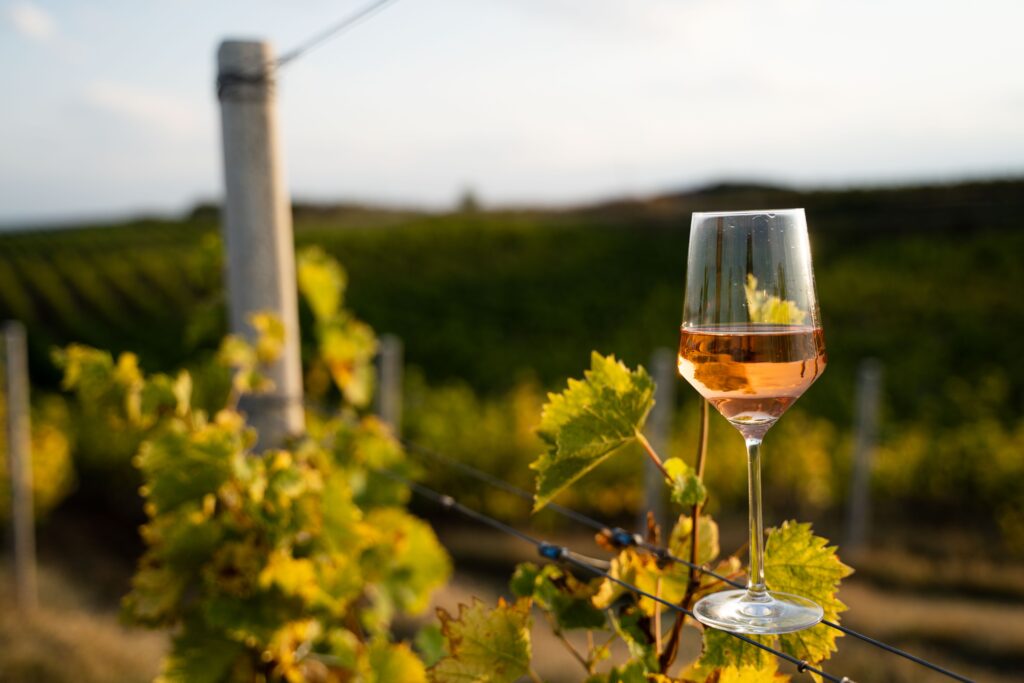
The Winery at Kindred Pointe near Mount Jackson combines vineyard land with a tasting room inside a renovated barn. The property has rolling fields and wide views, while the building keeps part of its older agricultural form. The winery produces estate wines and uses the surrounding land as part of the visitor setting.
Muse Vineyards gives Woodstock another active wine location. The property combines vineyards, a tasting room, food, and walking space beside the river. This creates a wider rural experience than a simple indoor tasting. The estate also reflects how small wineries in the valley often use scenery, agricultural land, and historic surroundings together.
The wineries that remain useful points on the route:
- Cave Ridge Vineyard near Mount Jackson
- Muse Vineyards near Woodstock
- North Mountain Vineyard and Winery near Maurertown
- Shenandoah Vineyards in Edinburg
- The Winery at Kindred Pointe near Mount Jackson
- Wolf Gap Vineyard and Winery near Edinburg
These locations are spread across several communities, so travelling between them shows different parts of Shenandoah County. Some are close to towns, while others stand on quieter rural roads. The route therefore gives not only different wines, but also changing views of farms, rivers, mountain slopes, and historic settlement areas.
Beer and Farm Production on the Trail
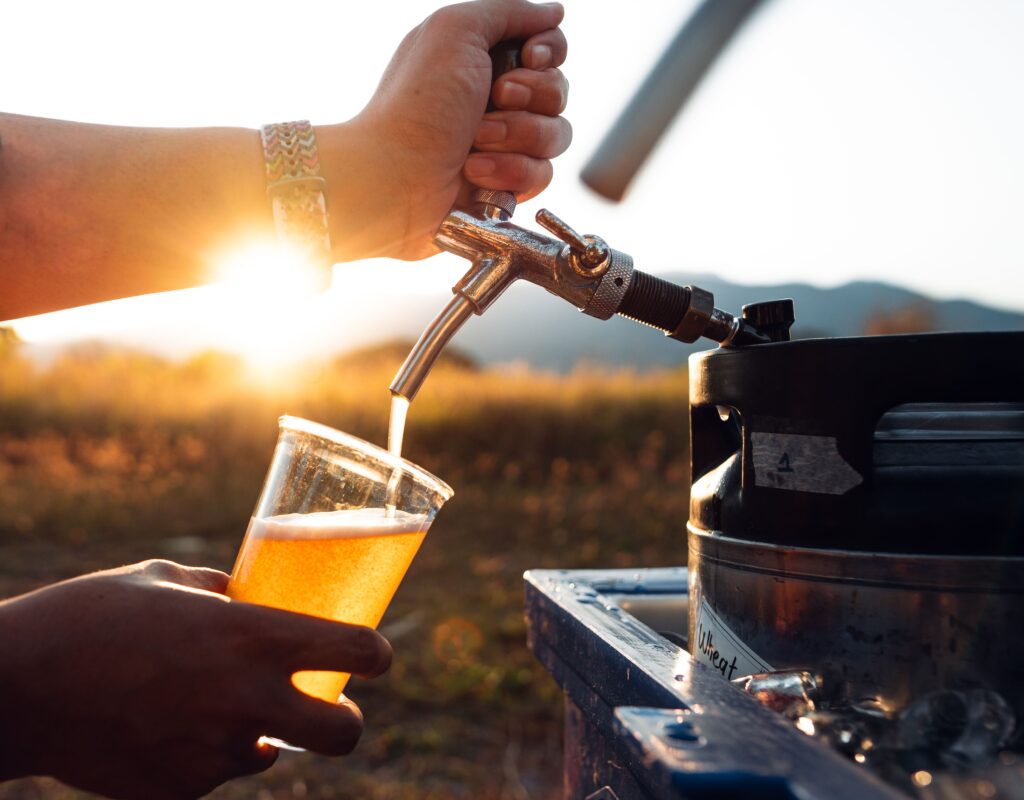
Swover Creek Farms and Brewery in Edinburg adds a farm brewery to the route. The property combines beer production with food and agricultural activity. Its setting is more casual than a formal vineyard, and the farm identity remains visible in the surroundings. Locally connected ingredients, outdoor space, and food service make it a different type of stop within the same regional trail.
Woodstock Brewhouse brings the beer side of the route into a town environment. It operates in a restored industrial building just off Main Street in Woodstock. The structure was once connected with clothing production, and its large interior, old floors, and high ceilings preserve part of that industrial character.
 Beer in a Historic Building
The brewhouse produces several beer styles and also serves food. Its location gives visitors a contrast with the countryside vineyards. Instead of fields and vines, the setting is an adapted factory building in a historic town center. This shows how local drink production can use old industrial spaces as well as agricultural land.
The brewery and farm brewery also broaden the meaning of the trail. Wine remains a major part, but beer connects the route with another form of small–scale production. The result is a more varied picture of local food and drink culture in the county.
Landscape and Travel Between the Stops
The physical journey is an important part of the Shenandoah Wine and Beer Trail. Roads pass through Edinburg, Maurertown, Mount Jackson, and Woodstock, with farmland and mountain views between many stops. This means the trail works as a regional route rather than one concentrated entertainment area.
Many properties also connect production with the landscape. Vineyards depend on soil, elevation, drainage, and weather, while farm–based brewing keeps a direct link with agricultural land. Even the town brewhouse reflects local history through its restored building. Different settings therefore explain different parts of the county.